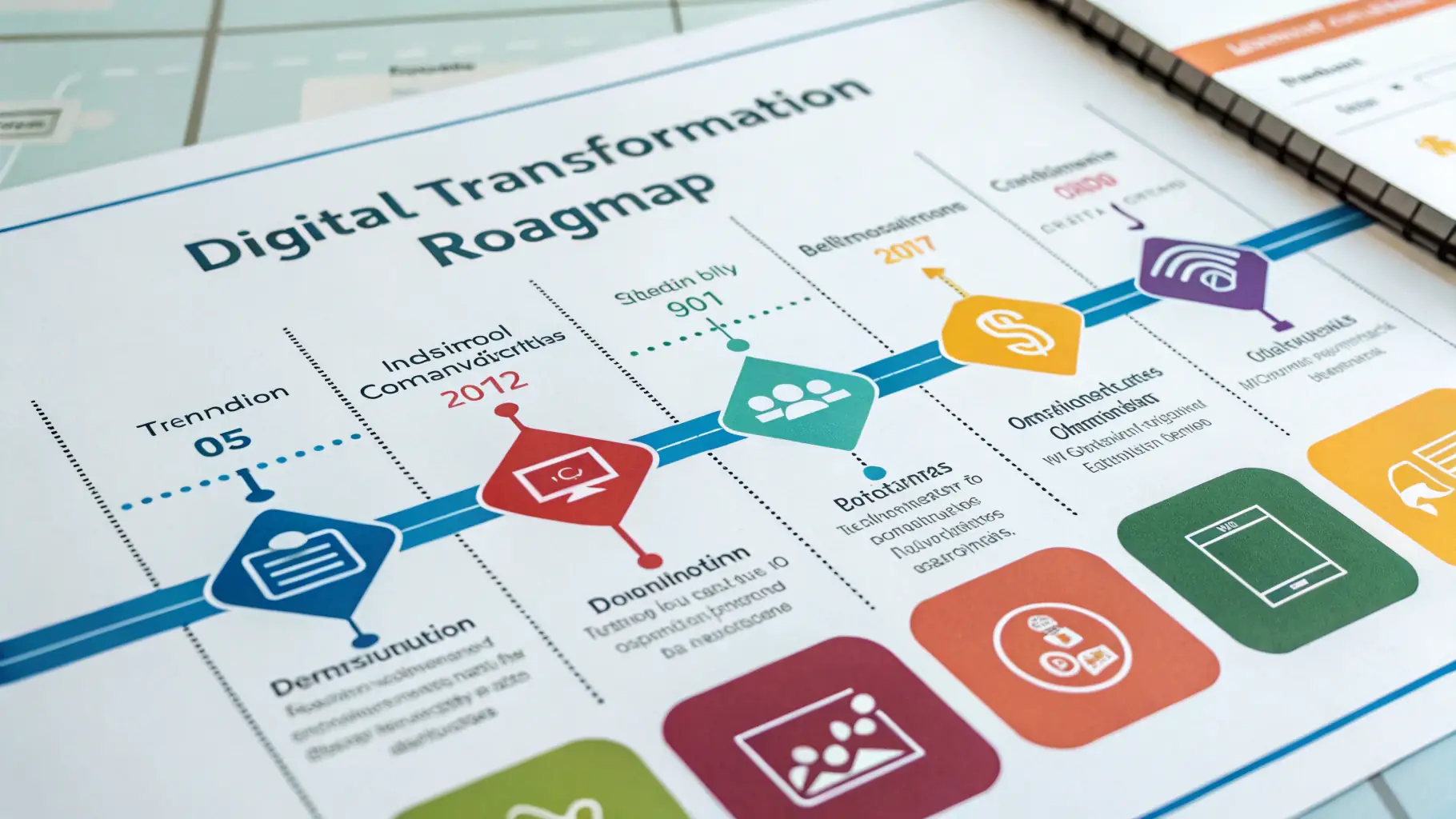
Digital transformation is not just a trend; it is a necessity for businesses aiming to thrive in today’s fast-paced environment. The journey begins with a clear understanding of the organization’s current state and the desired future state. This involves assessing existing processes, technologies, and workforce capabilities to identify gaps and opportunities. By establishing a roadmap, businesses can strategically navigate the complexities of digital change and ensure a smooth transition.
One of the critical aspects of digital transformation is fostering a culture of innovation within the organization. This means encouraging employees to embrace new technologies and methodologies while providing them with the necessary training and resources. Leadership plays a vital role in this process, as they must champion the transformation efforts and communicate the vision effectively. By creating an environment that supports experimentation and learning, organizations can unlock their full potential and drive sustainable growth.
Finally, measuring the success of digital transformation initiatives is essential for continuous improvement. Organizations should establish key performance indicators (KPIs) that align with their strategic goals and regularly assess their progress. This data-driven approach allows businesses to make informed decisions and adjust their strategies as needed. Ultimately, a successful digital transformation journey not only enhances operational efficiency but also enriches the customer experience, paving the way for long-term success.